
Service Above Self: Dr Raji Krishnan and four decades of caring for community
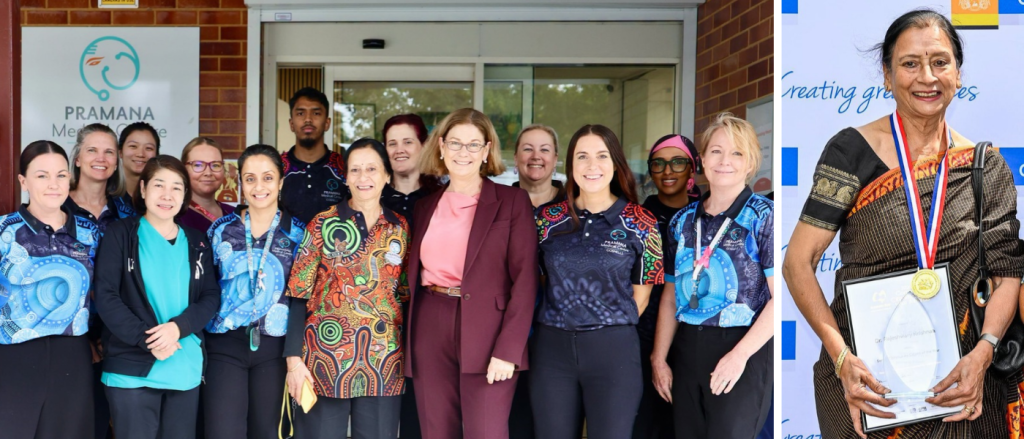
For 40 years and counting, Dr Rajeshwary ‘Raji’ Krishnan has been serving the Gosnells community and supporting the healthcare of some of the most vulnerable members of our society. After witnessing the gap in healthcare for First Nations Peoples, she sought to provide compassionate, culturally safe and holistic healthcare – a service that has made her a beloved and essential member of the community.
Named the City of Gosnells’ 2026 Senior Community Citizen of the Year, Raji reflects on her journey, the importance of culturally responsive care and what it means to live by the Australian values of mateship, respect and a fair go.
The Community Citizen of the Year Awards acknowledge that we are all part of the story of Australia. So, to begin, can you tell us a bit about your Australian story?
I moved to Perth, Australia in 1976 to join my husband, Arun Krishnan, an academic at the University of Western Australia. Upon contacting the Medical Board for obtaining my registration, I was informed that my medical qualification obtained in India would be disregarded for the purpose of registration and that I would have to repeat years five and six of the medical degree offered by UWA. I enrolled in year five as a full-time student. We had our daughter, Priya, in 1978. Juggling the task of catering to an infant while studying full-time proved to be a real challenge.
Subsequently, I took the exam conducted by the then Australian Medical Exam Council for international medical graduates and was successful. This enabled me to obtain the registration for pursuing my profession and I commenced General Practice in 1980.
My twin areas of interests have been indigenous health and women’s health. I have worked in community-controlled organisations like the Derbarl Yerrigan Health Service for 25 years as well as mainstream General Practice organisations. I have also worked for 360 Health & Community Street Doctor and Silver Chain, which provides palliative care and aged care service organisations.
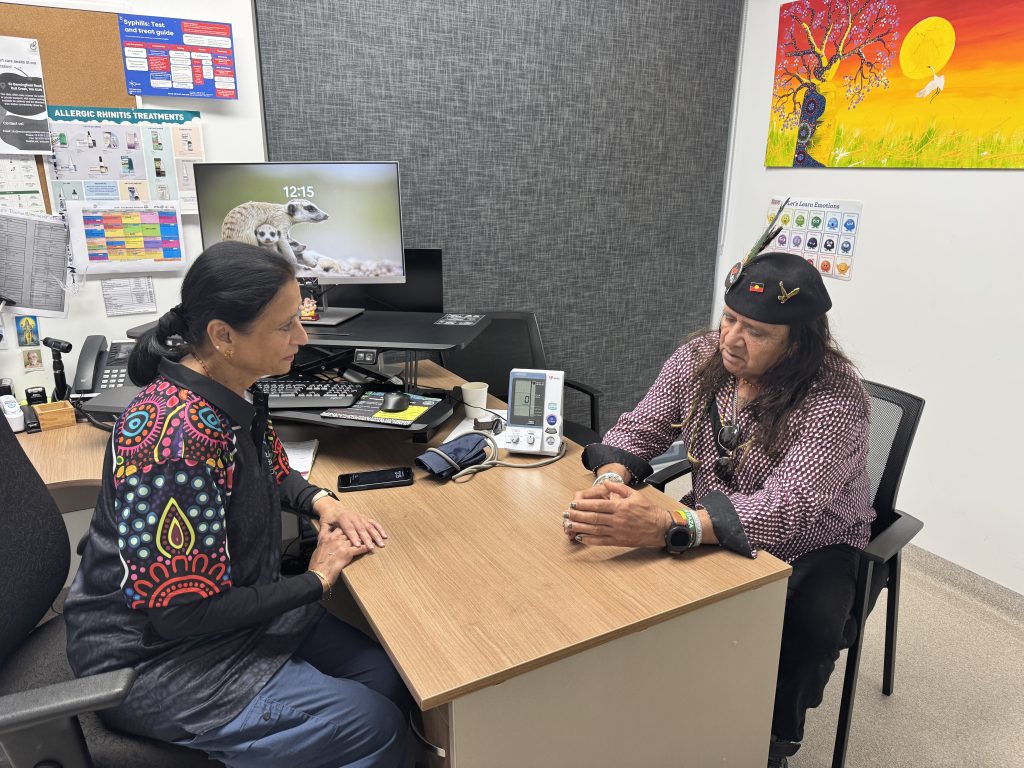
You were recognised as the 2026 Senior Community Citizen of the Year for the City of Gosnells for your wraparound healthcare support of First Nations Peoples. What have been some of the key moments that led to this?
Over the past four decades, I have found that poor health outcomes for our First Nations Peoples are due to historical factors – colonisation and loss of identity; social factors such as income, education and employment; and health risk factors including poor living environments, poor nutrition, excessive alcohol consumption, smoking and lack of physical capacity. Other factors include loss of control, lack of social capital and pervasiveness of loss and grief.
Given these enduring factors including cultural dislocation, dispossession, loss of autonomy, social exclusion, racism and marginalisation, I have found that there is an urgent need to address circumstantial co-morbidities such as family violence, unresolved grief, poverty and homelessness as they impact on the physical and the emotional wellbeing of our First Nations Peoples.
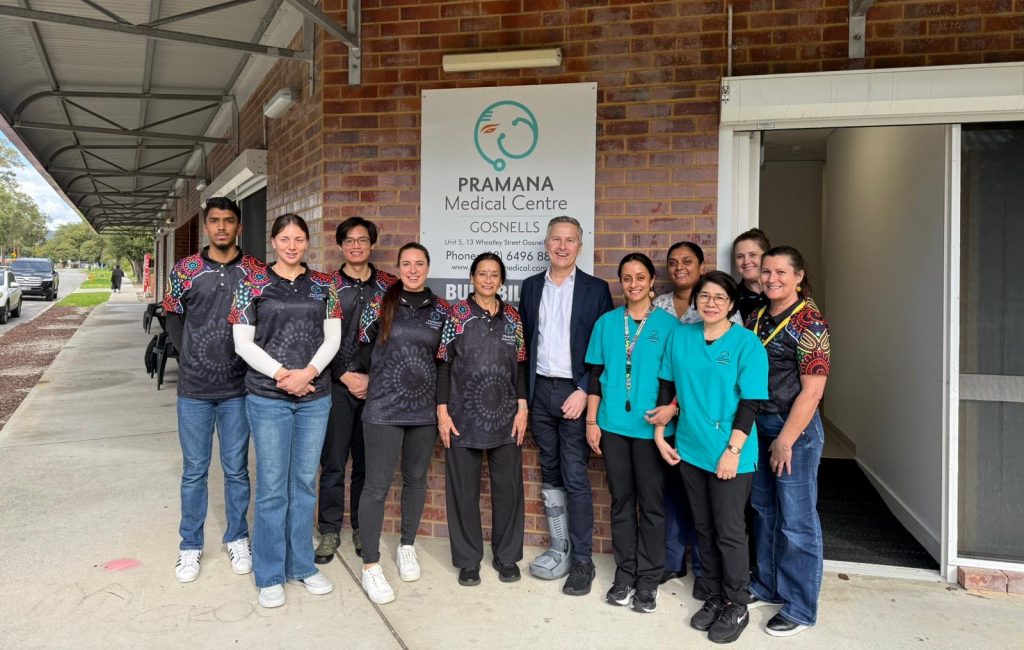
Based on my experience in the community, my daughter, Dr Priya Krishnan, and I resorted to opening our own clinic, Pramana Medical Centre in Gosnells, five years ago. It adopts a multi-disciplinary team approach to provision of medical care. It aims to provide holistic, culturally sensitive patient-centered care. We believe that access to good healthcare is a basic human right of every Australian. Providing healthcare to First Nations Peoples should be the business of all mainstream GP Practices.
Overall, addressing the health inequalities experienced by First Nations Peoples requires a comprehensive approach that addresses the underlying social determinants of health, provides culturally safe and accessible health services, and seeks to address ongoing trauma and discrimination.
This is what, in a small way, Pramana Medical Centre has strived to do over the past five years.
What impact have you seen as a result?
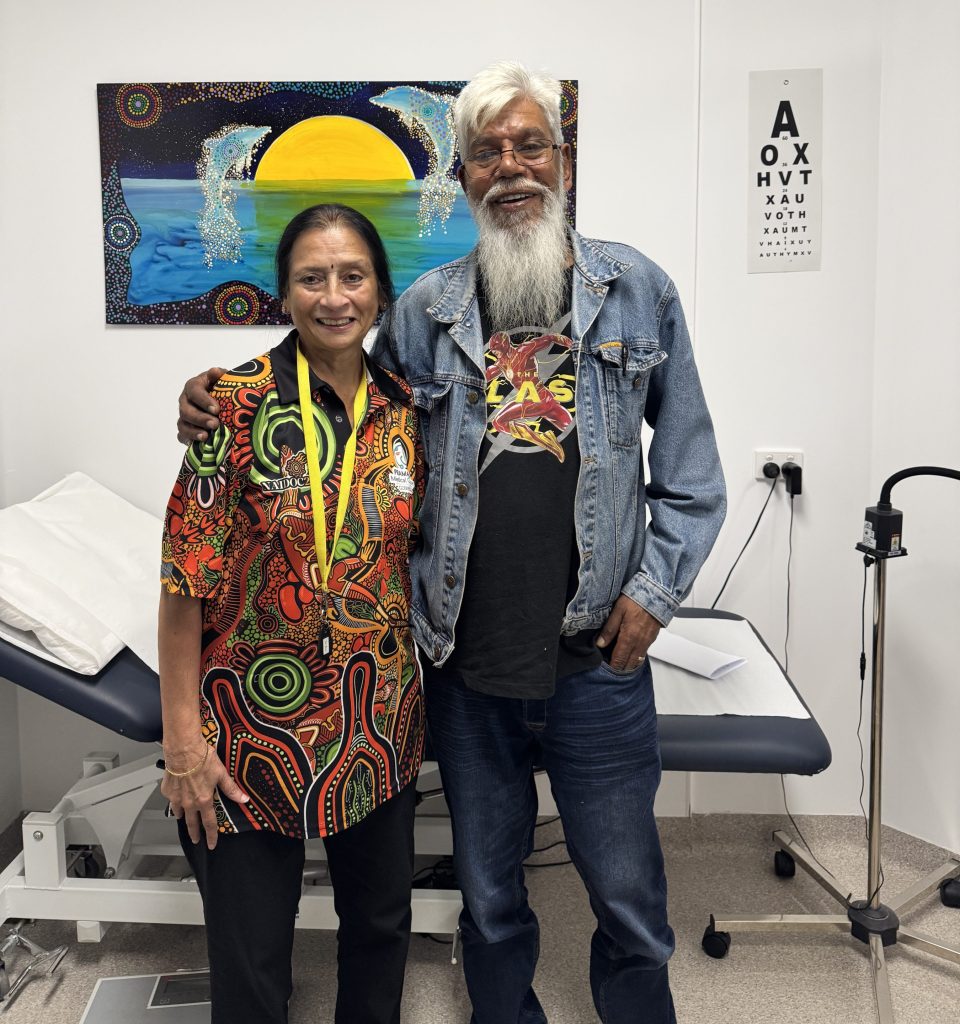
Thanks to the cooperation of my patients, I have learnt significantly about their family history, from being a member of the Stolen Generation to premature death of family members; medical history such as rheumatic fever and nephritic syndrome; psychiatric history including trauma, homicide and unresolved grief; and about their social, financial, and other stressors. I also utilise my experience in palliative and aged care. These have enabled me to treat my patients with confidence and in a holistic and culturally sensitive manner. Over the years, patients have been empowered with greater awareness of their health issues and ownership of the management of their health.
Why is it important to you to contribute in this way?
I believe that ‘Aboriginal Health’ means not just the physical wellbeing of an individual but refers to the social, emotional and cultural wellbeing of the whole community in which everyone is able to achieve their full potential as a human. It is a whole-of-life view and includes the cyclical concept of life-death-life.
I feel that while the bio-medical approach taught in most medical schools and practiced in mainstream General Practices, is useful in identifying and reducing the incidence of disease in individuals, it has its limitations in addressing population-wide disadvantages such as those experiences by indigenous peoples.
How did it feel to be recognised by your community in the Community Citizen of the Year Awards?
For me, serving the indigenous community has always been a labour of love. I am, however, grateful for the acknowledgement of my work with the bestowing of the award. It has been a team effort, and I am happy to see the profiles of my clients enhanced within our community.
Alongside this award, the Commonwealth Department of Health & Ageing awarded our clinic with a Medicare Champions award last year as did the Australian Medical Association with their General Practice of the Year award for which we are grateful.
What are your hopes for the future?
I hope that all Australians have equal access to healthcare. Practicing preventative health and providing continuity of care is vital for all Australians, especially First Nations and culturally and linguistically diverse peoples. Caring and sharing should underpin the Australian ethos of a fair go.
What does being Australian mean to you?
Being Australian to me means giving everyone a fair go and aspiring for equity in all our endeavours. It also implies caring and sharing as well as serving the most vulnerable members of our Australian family.
My work involves providing healthcare from pediatric to geriatric patients. I have always endeavored to provide patient-centered, culturally safe and culturally sensitive holistic healthcare. I have also performed regular home visits, have been available 24/7 for a discussion of their health issues over the phone, advocating on their behalf to both government and non-governmental organisations through writing support letters.
Over four decades, I have been grateful for the privilege of providing such care and appreciate the multiple generations of my patients who have placed their trust in me. I have performed my tasks out of passion, service above self and to make a difference in the lives of some of the most marginalised and underprivileged members of our society.
If you know someone like Raji who supports their community, nominate them in the Community Citizen of the Year Awards at citizenshipawards.com.au.