
Going the Distance: The Australian Story of Kennedy Lay
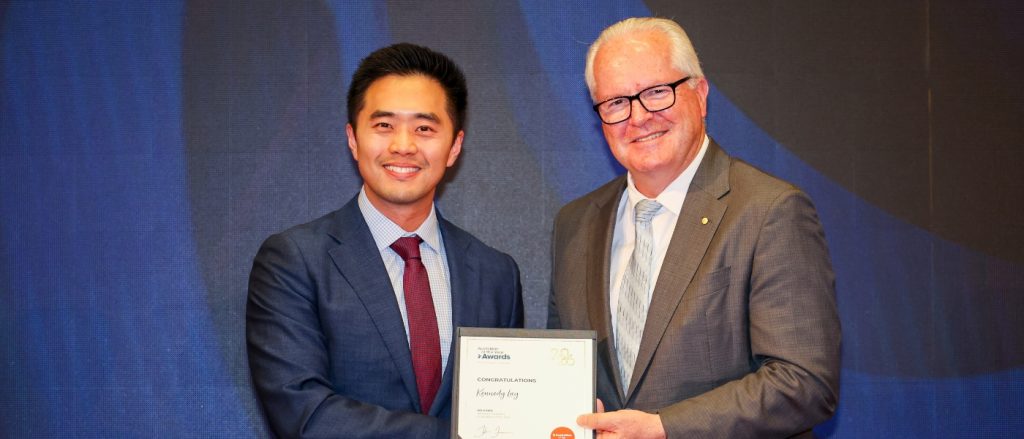
Five months on from the WA 2026 Australian of the Year Awards ceremony, Auspire caught up with finalist, Kennedy Lay, to find out more about his life in Australia, finding his purpose with Fly2Health, and taking the opportunities that Australia gives you.
In a nutshell, what is your Australian story?
I was born in Hong Kong and migrated to Australia, and like many immigrants, my early experience of Australia was about learning how things work, socially, culturally, and professionally. My parents gave me the opportunity to better my learning, exposure and a different perspective.
Australia gave me a huge opportunity away from the traditional Hong Kong corporate model. Living here, you quickly realise that Australia isn’t one uniform experience. City life and regional life are worlds apart, and yet they’re part of the same country; especially after living in WA for 5 years and seeing how big the state is.
I have been very lucky to call Australia home.
What does being Australian mean to you?
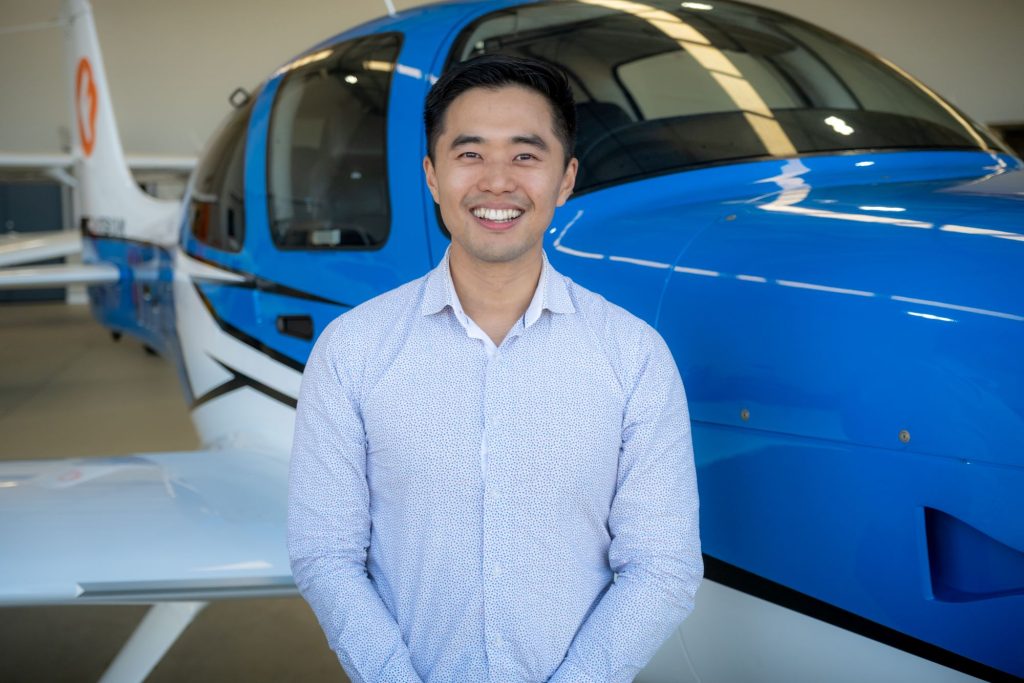
To me, being Australian means fairness, entrepreneurism and practicality.
It’s about not overcomplicating things and stepping in when something clearly isn’t working. It’s also about the belief that everyone deserves a fair go, not just in principle, but in outcomes.
As an immigrant, I’ve always appreciated how Australia values contribution. If you work hard, show up, and add value, you’re given a chance. That’s something I don’t take for granted. Like my previous businesses, professions and now with Fly2Health, I have immense opportunities being Australian to make a difference in this country.
Why did you start Fly2Health, what is its aim, and how does it work?
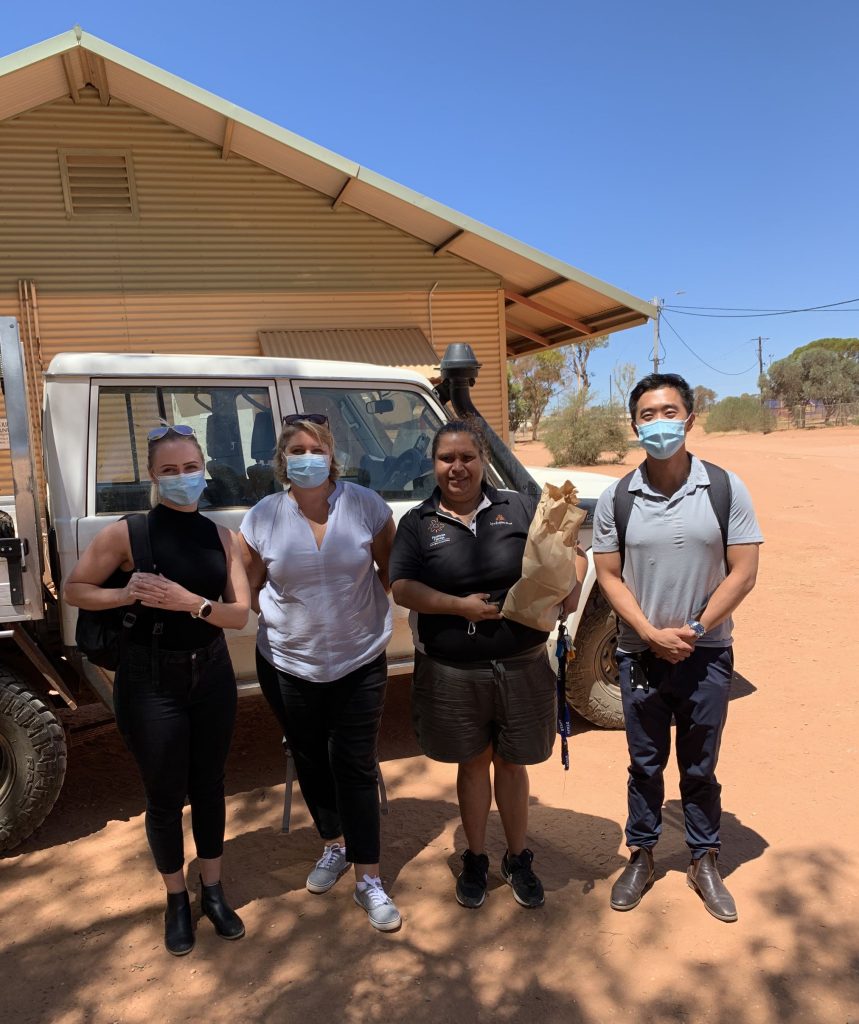
Fly2Health started because I couldn’t unsee a simple problem: people were missing out on healthcare purely because of where they lived.
The aim is straightforward: remove distance as a barrier to care. We treat healthcare access like infrastructure. If roads and planes can move people and goods, they can move care too!
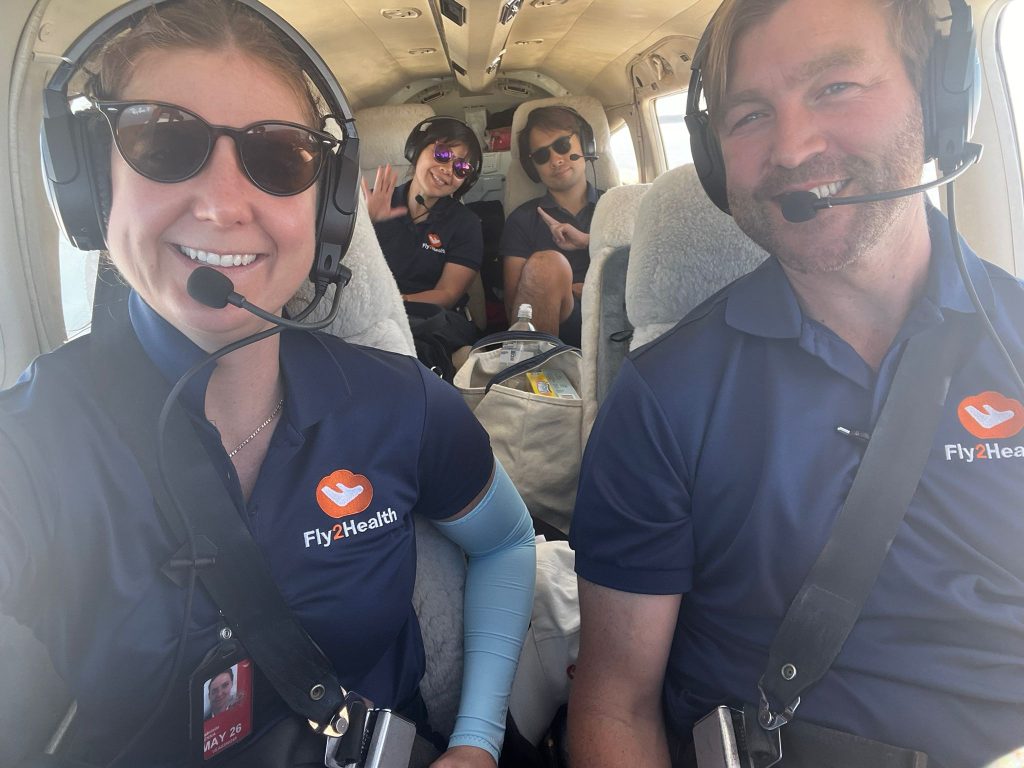
Instead of asking patients or clinicians to travel long distances or relocate, we fly clinicians directly into communities. It’s efficient and sustainable, and it works, especially in places where traditional models can’t cater to the local demand.
What are some of the positive effects you’ve seen?
The biggest impact is societal upstream and downstream benefits.
Kids getting early intervention sooner. People not having to leave their community for care.
We’ve seen waitlists shorten, continuity of care improve, and communities feel more confident that services will actually show up when they’re needed, consistently.
For clinicians, it means being able to do meaningful work without burning out, and living in their capital cities.
Why is it important for you personally to contribute in this way, and why is social impact important more broadly?
I’ve been lucky. Australia has given me a platform to build something meaningful, and I feel a responsibility to use that well. I have always operated on the pursuit of a higher purpose in life, and give more than you take in this world.
More broadly, social impact means success. Strong, healthy communities make Australia stronger overall. When people contribute beyond themselves, especially in regional and remote communities where it’s the backbone of our country, everyone benefits.
How did it feel to be recognised as a 2026 Australian of the Year finalist for Western Australia?
Honestly, it was very humbling.
As always though, I didn’t see it as recognition of me personally, it felt more like recognition of the communities we work with and our teams on the ground delivering care every day.
What stood out most was the conversations it opened. It created space to talk seriously about healthcare access, regional equity, and practical solutions, not just ideas, but things that are already working. I really hope through this recognition this sparks more conversations and solution to address the widening gap in regional and remote health gaps.
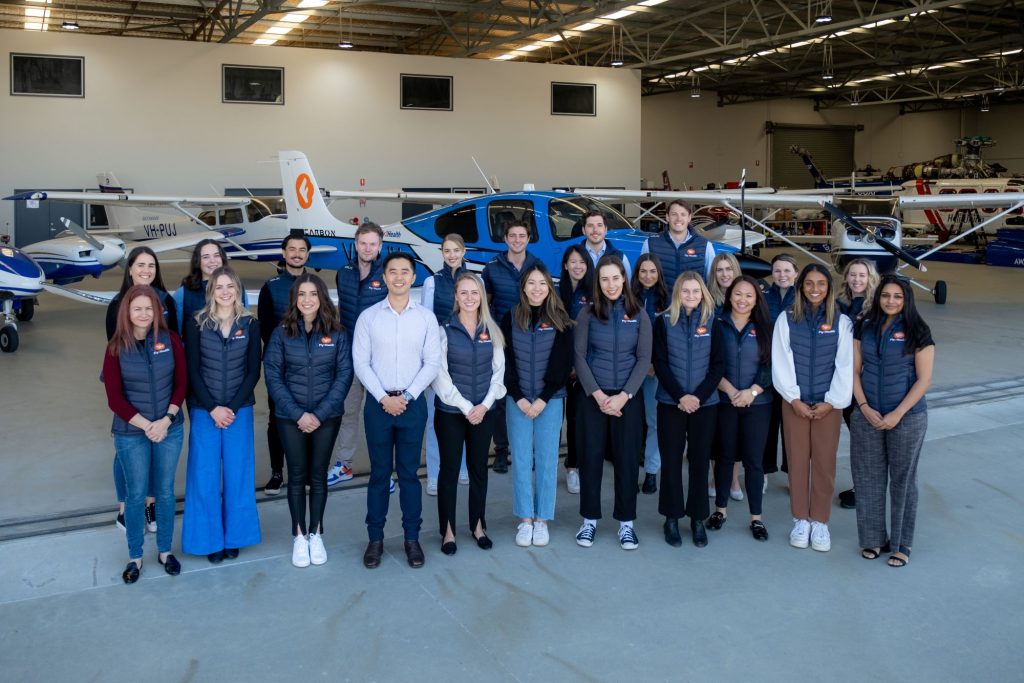
What have you been up to since the awards night?
Since then, my focus has been on strengthening the foundations of Fly2Health.
2026 is very much about quality, improving systems, staff experience, and long-term sustainability. We’re growing, but doing it intentionally.
I’m also spending more time engaging with policymakers, leaders, and other organisations, sharing what we’ve learned, listening to how the model can evolve and continue to be sustainable.
What are your hopes for the future of healthcare in Australia?
My hope is that healthcare in Australia becomes genuinely independent of the tyranny of distance.
That regional and remote Australians don’t have to accept delays or lower standards as normal. And that we stop treating access as an unsolvable problem.
If you know someone like Kennedy who is improving the lives of others, nominate them for an Australian of the Year Award.